

PROTRA GROUP
Durable Materials with Long-lasting Performance
At Protra Group, we work with a wide range of materials for the development and production of textile-based solutions. The choice of material is crucial for how a solution performs in practice – considering strength, flexibility, durability, and the application environment.
We advise on and work with materials that match the specific task, adapting the solution to meet the product’s requirements.

TEXTILES
Our material catalog and stock include a wide range of coated and flame-retardant fabrics. We primarily work with heavy-duty and durable materials, and our many years of experience enable us to advise on the right solution for your specific task – whether you need extra strength, flexibility, or resistance to wear and other impacts.
We often work with Cordura/Foxdura – a durable nylon textile developed to withstand heavy use, friction, and weather. The material was originally developed for military equipment but is now used in many different industries and products such as bags, covers, and tarpaulins.
- Very high abrasion resistance
- Lasts significantly longer than ordinary nylon or polyester
- Highly tear-resistant
- Water-repellent, often with coating
- Lightweight relative to its strength
- Retains shape and color well
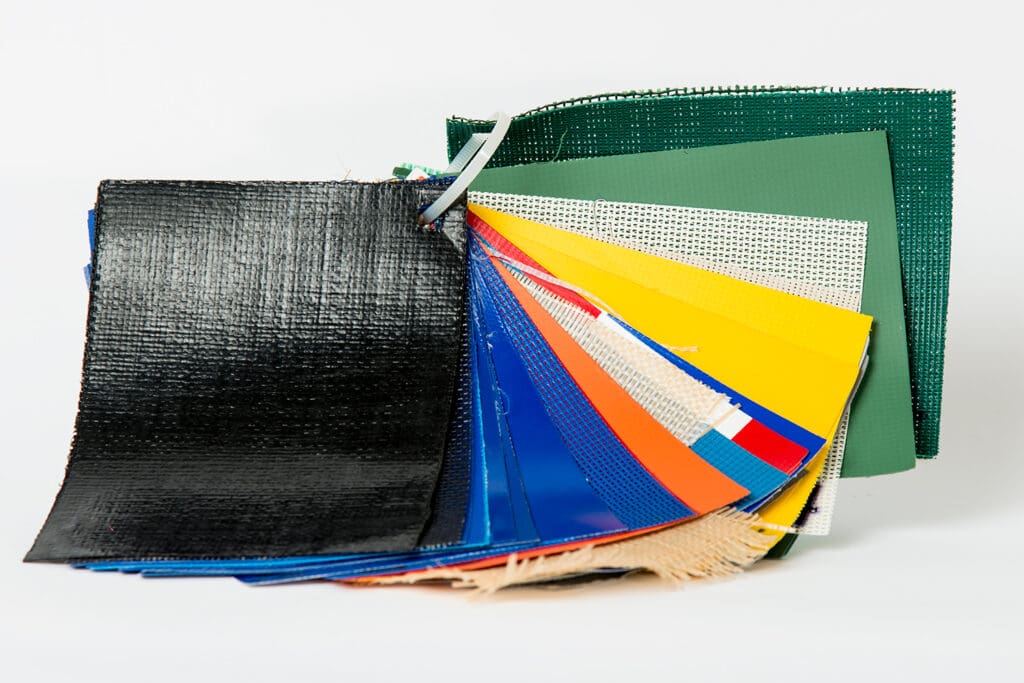
PVC
PVC stands for polyvinyl chloride. It is a type of plastic widely used in industry and construction because it is strong, durable, and resistant to moisture and chemicals.
- Made from vinyl chloride (a plastic polymer)
- Waterproof
- Long lifespan and minimal maintenance required
In a production context like Protra’s, PVC makes sense when there is a need for a durable, dimensionally stable, and easily cleanable material. We typically use PVC in our production for:
- Tarpaulins
- Covers and shrouds
- Bellows
- Sandbags
LEATHER
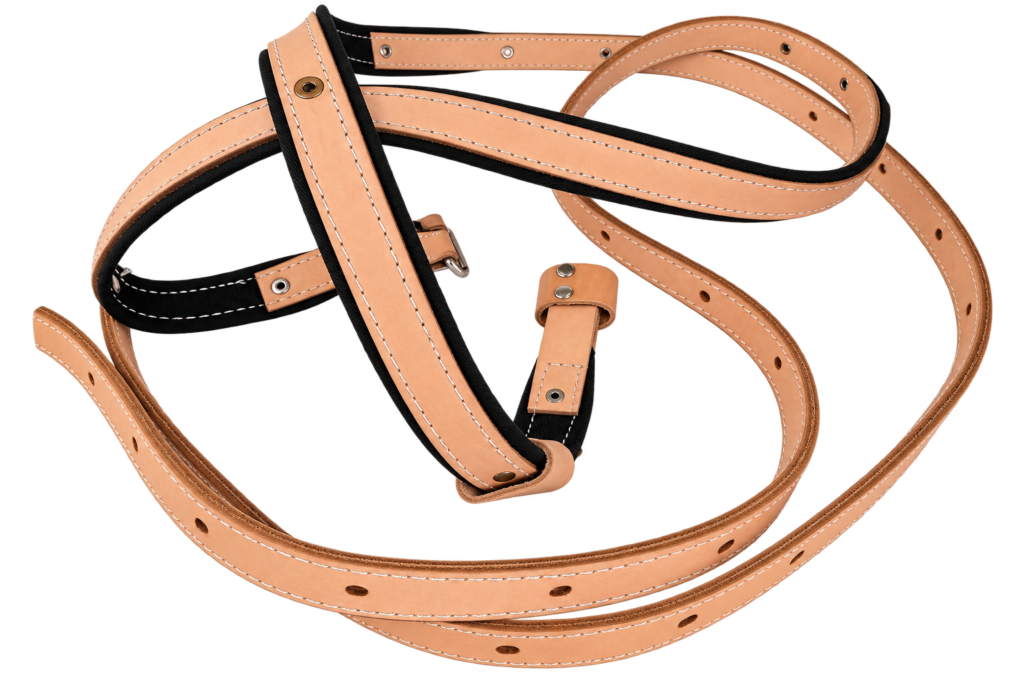
Leather is a natural and durable material. It combines high strength with flexibility, making it particularly well-suited for products that need to withstand daily use and stress over time. We work with selected leather types in various thicknesses and finishes, so the material can be adapted to both functional requirements and desired aesthetics. Leather can be shaped, sewn, and embossed, allowing great freedom in design and construction.
Properties of leather:
- Robust and long-lasting
- Flexible and moldable
- Natural material with a unique look
- Suitable for technical and custom-made solutions
FOAM
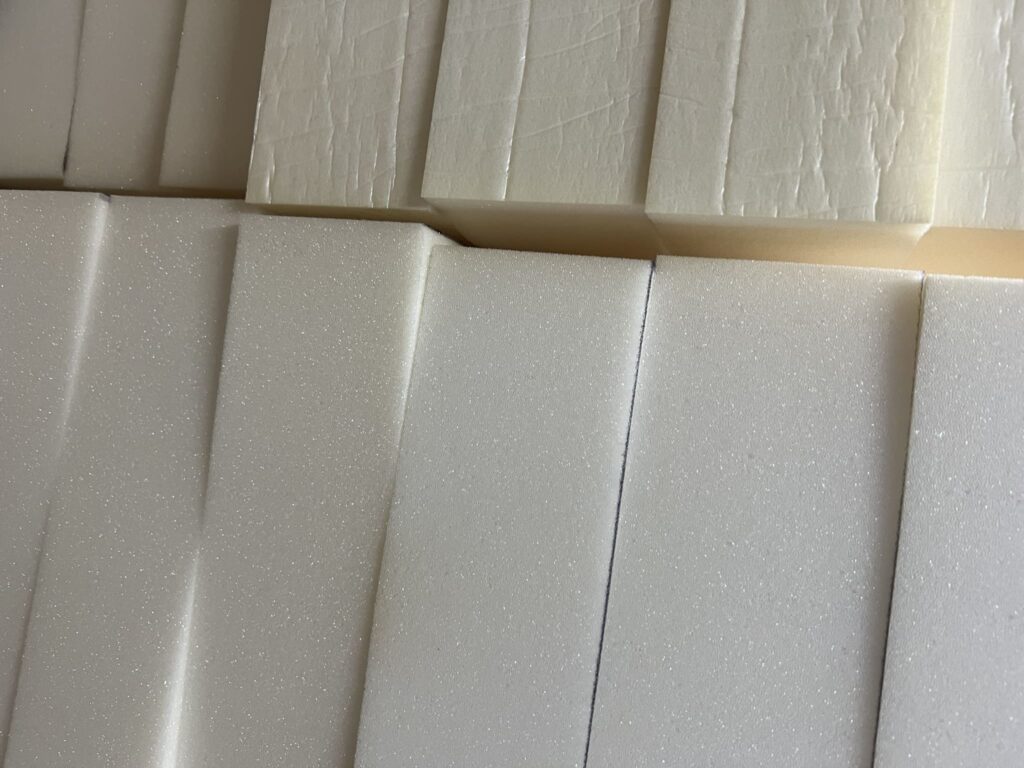
Foam is a lightweight and versatile material with many air-filled cells, providing effective shock absorption, protection, and insulation. It is particularly well-suited for solutions where low weight and high functionality are important. We work with various foam types and densities, so the material can be adapted to both purpose and load. Foam can be precisely cut and shaped, making it ideal for custom inserts and technical solutions.
Properties of foam:
- Shock-absorbing and protective
- Lightweight and moldable
- Insulating properties
- Can be adapted to specific dimensions and functions
WEBBING
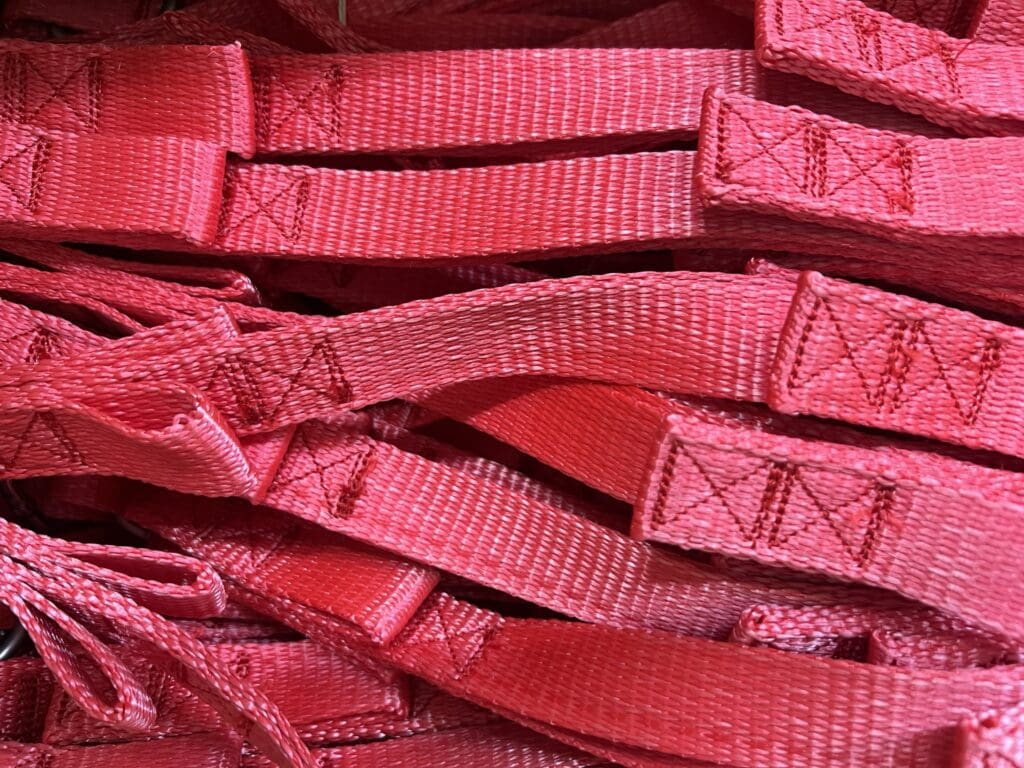
Webbing – also called strapping – is a strong, woven band that combines high tensile strength with low weight and great abrasion resistance. The material is widely used in technical and functional products where reliability and durability are crucial. We work with different types of webbing in varying widths, thicknesses, and materials, so the solution can be precisely adapted to load, function, and design. Webbing can be easily integrated into sewn constructions and combined with fittings, buckles, and other components.
Properties of webbing:
- High strength and abrasion resistance
- Lightweight and flexible material
- Suitable for load-bearing and fastening applications
BUCKLES
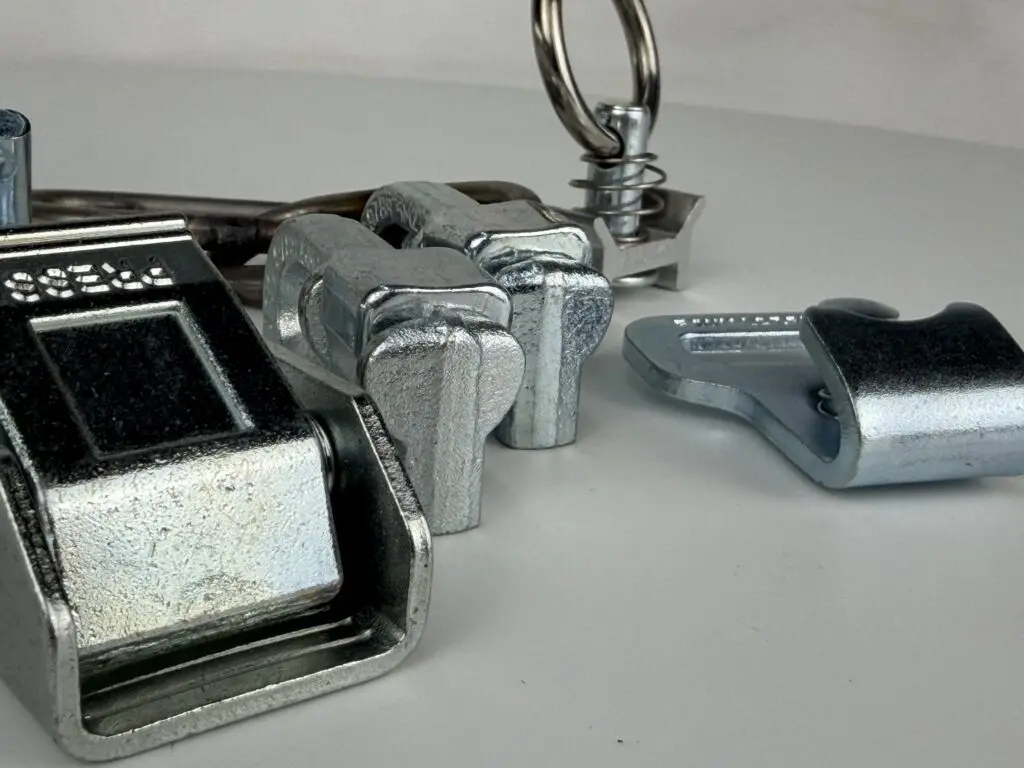
Buckles – also known as fasteners – are used to connect, adjust, and secure straps and belts in functional and technical products. They play a central role in solutions where secure fastening and easy adjustment are important. We use buckles made of both aluminum and plastic, depending on requirements for strength, weight, and application. Aluminum buckles are suitable for high loads and demanding environments, while plastic buckles are lightweight, durable, and practical for flexible solutions.
Properties of buckles:
- Quick opening and adjustment capabilities
- Available in aluminum and plastic
- Can be adapted to load and function
- Easy integration into sewn constructions